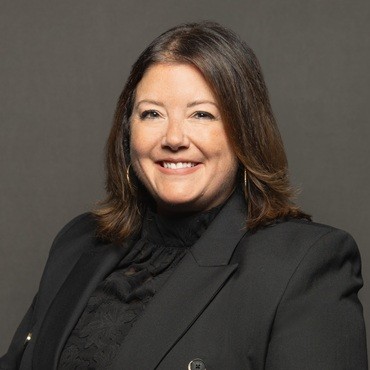
Training that prioritizes the safety of asset services teams, tenants, and visitors is a critical aspect of property management. That responsibility extends beyond security personnel, as every team member plays a role in maintaining safe, well-run buildings. As Senior Vice President of Safety and Security, I work with asset services teams throughout the Midwest to implement proactive training strategies designed to reduce risk and strengthen on-site readiness.
What goes into planning and coordinating security training?
First, through risk assessments and operational audits, we identify the issues with the highest likelihood of impacting an asset. To improve safety and mitigate liability, the identified risks inform targeted training for tenants and property teams. By identifying specific risks, we can design focused training programs for both tenants and property teams, enhancing safety and reducing potential liability.
Training should improve information sharing and response capabilities through collaboration with internal and external partners. These partnerships typically include local law enforcement, neighboring building teams, consulting firms, and security contractors. Federal agencies such as the FBI, CISA, and FEMA are also engaged when appropriate.
Training programs should be developed in accordance with regulations, best practices, while accounting for asset size, tenant mix, and surrounding businesses. This will ensure tenants and building employees are prepared when responding to emergency situations, such as active shooter incidents, fires, medical emergencies, elevator entrapments, floods, severe weather events, power outages, and workplace violence. Designated emergency response roles outlined in each asset’s Emergency Response Plan (ERP), reviewed annually, are reinforced through in-person training and tabletop exercises.
How often should trainings take place?
We partner with security vendors and building teams and conduct quarterly tabletop exercises. Building teams review response procedures related to scenarios such as active threats, medical incidents, fires, bomb threats, and power outages. Trainings such as fire life safety must be held as required by the local fire code. I also remind teams to monitor local news and social media, connect with law enforcement resources, and be mindful of upcoming events, such as large-scale festivals, protests, elections, and conventions.
What are some examples of training opportunities?
We host tabletop incident training and ERP reviews for entire building teams and include their security contractor. Examples of other training opportunities include Site Protection through Observational Techniques offered by the Louisiana State University National Center for Biomedical Research and Training/Academy of Counter-Terrorist Education (LSU NCBRT/ACE). We also conduct online training through education platforms like the FEMA Emergency Training Institute and the Cybersecurity and Infrastructure Security Agency (CISA). Additional opportunities include in-person active shooter training and de-escalation training.
Regional leaders Micah Larmie, Bonnie Boden, and Pete Miceli encourage and facilitate “Lunch & Learn” vendor sessions to promote property management, engineering, and security best practices. Security “Lunch & Learn” sessions have helped property management teams enhance their knowledge of access platforms, CCTV solutions, and emergency notification systems, while also strengthening relationships with trusted technology integrators.
Do you partner with other organizations?
The importance of partnering with other organizations cannot be overstated. Transwestern collaborates with organizations such as the FBI, CISA, and DHS, and regularly builds new partnerships through industry conferences, including GSX and ISC, sponsored by ASIS International and the Security Industry Association (SIA).
An example of Transwestern’s collaborative training and networking came in September with a “Run. Hide. Fight.” course. That collaboration originated in May 2024 through our partnership with the Metra Police at Transwestern-managed 500 W. Madison in Chicago. LSU NCBRE/ACE is a nationally recognized center for emergency preparedness. Metra PD invited our security team to enhance our observational techniques through a four-step ongoing screening process, which includes increasing protective awareness, identifying preoperational behaviors, evaluating, and reacting. The course is designed to train non-traditional first responders, such as property management teams, and help them implement response procedures into existing building emergency action plans. Participants leave better equipped to recognize, communicate, and respond to suspicious behaviors that could indicate potential threats.
Following the 2024 class, regional leadership coordinated with Transwestern teams from Chicago, Minnesota, and Iowa, the BOMA Chicago Security Preparedness Committee, and LSU to organize a two-day “Run. Hide. Fight” training at 203 N. LaSalle in September 2025. 203 N. LaSalle property leadership, Jan Jones and Wade Freeman, hosted two classes that included lectures, group discussion, and live practical exercises to prepare participants for active threat incidents. Midwest teams also used the opportunity to share best practices and strengthen cross-market collaboration.
How do you ensure that the skills taught during security training are implemented?
We apply lessons learned from training exercises and after-action review of incidents to continuously update tabletop sessions, ERP, and security SOPs. We also partner with security vendors to reinforce expectations through new-hire training and validation measures.
Transwestern is dedicated to security training that best prepares our teams to respond with confidence. Through regular exercises and strong partnerships, we help ensure the safety and preparedness of our properties, tenants, and team members.
Tim Madigan serves as Senior Vice President of Safety and Security, overseeing all safety and security functions for Transwestern-managed properties in the Midwest. In this role, he customizes a program of policies and procedures for each site, working hands-on to manage systems and personnel. He assists in identifying potential areas of concern and creates the action steps necessary to address potential security issues.
SEE ALSO:
- Winterization in Commercial Real Estate: How to Get Ready for Mother Nature
- Hand in Hand: How Integrated Technology Management Elevates Asset Services
- How Extreme Heat Poses Risk to Commercial Assets
RELATED TOPICS:
commercial real estate
asset services
market reports


Micah Larmie
Managing Executive Vice President - Midwest & Carolinas Asset Services
Chicago, Illinois